

Black Triangle Closure with Composite Bonding
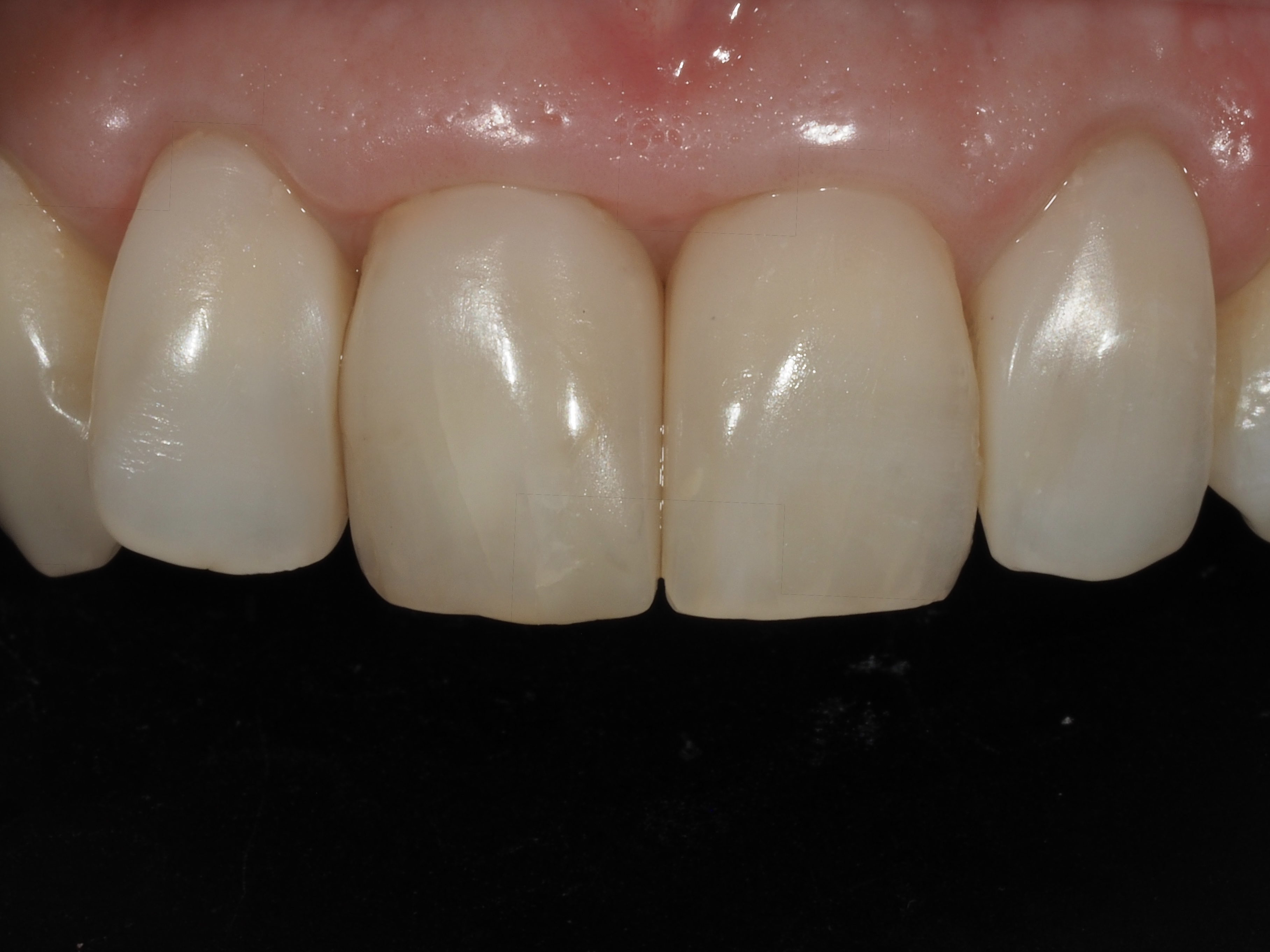
Small dark gaps near the gum line — often left behind after braces or gum recession — can usually be closed in a single visit using tooth-coloured composite, with no drilling and no damage to your natural teeth.

Amazing experience with my composite bonding! The doctor and the assistant were both very caring and made me feel comfortable throughout the process. The results exceeded my expectations, and I couldn’t be happier with my new smile. Highly recommend!
is this treatment right for you?
Black triangle closure is ideal if you've noticed dark gaps appearing between your teeth — especially after adult orthodontic treatment — and want them closed without surgery or drilling.
What is Black Triangles
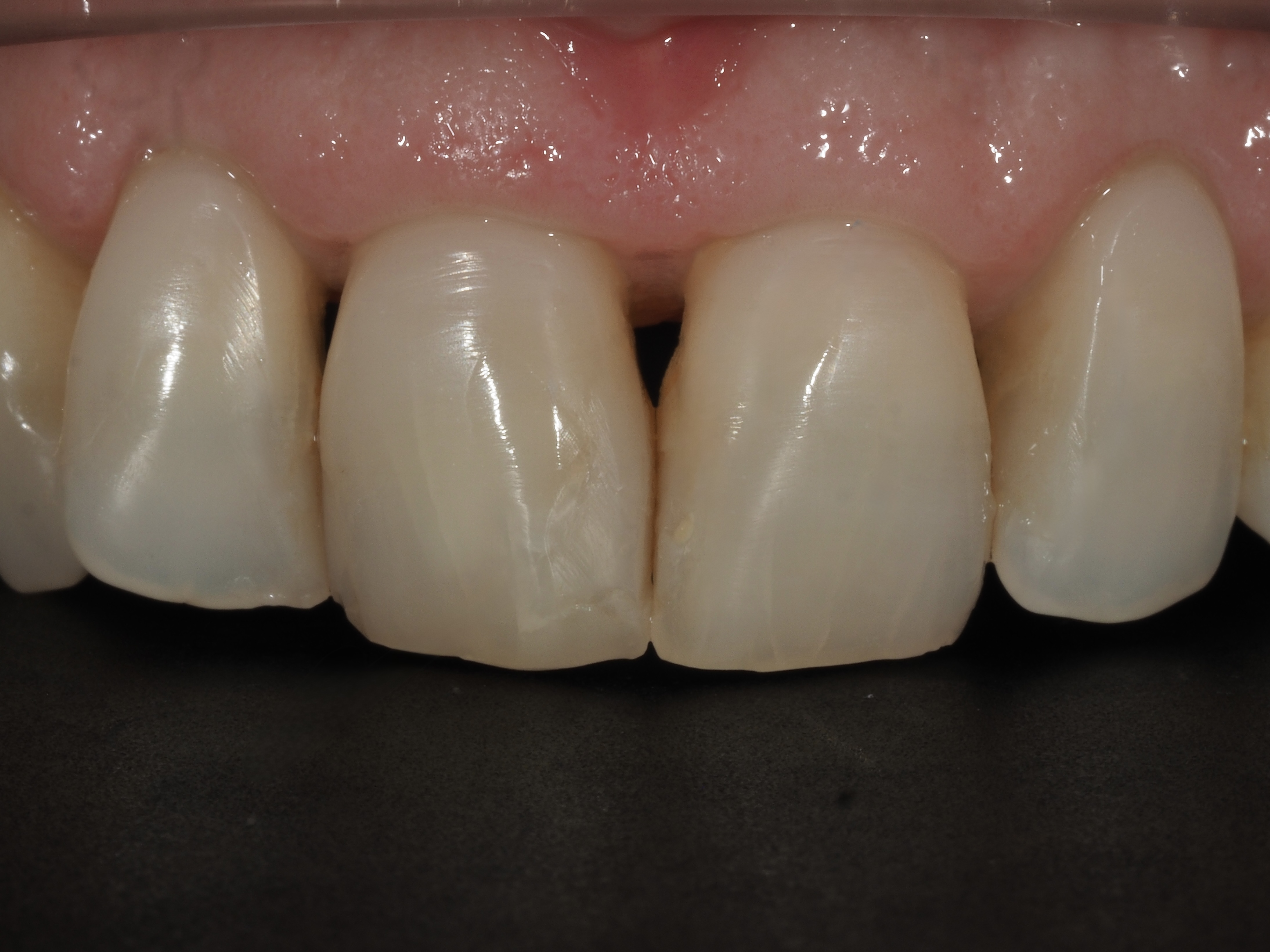
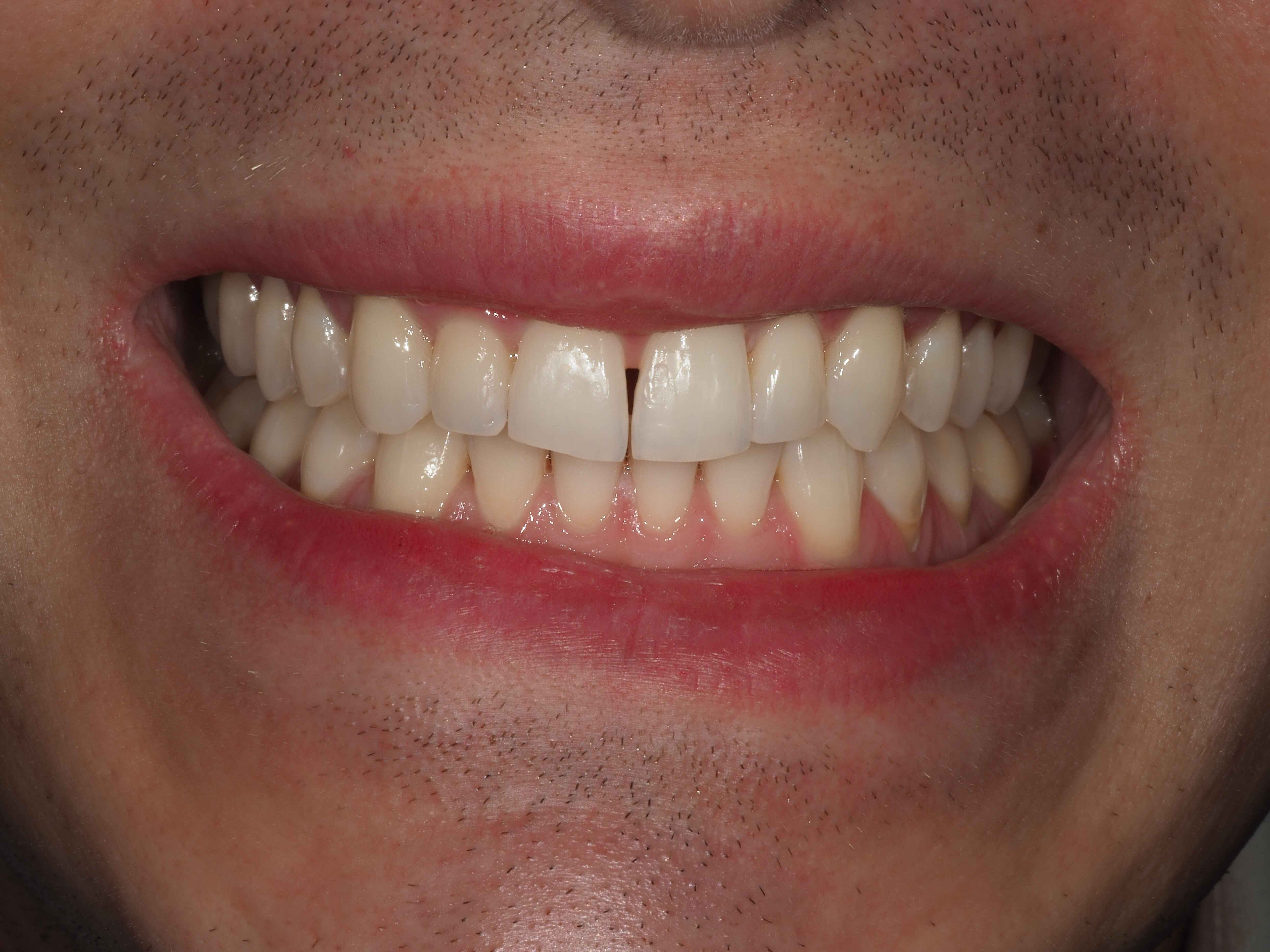
Black triangles, known clinically as open gingival embrasures, are triangular spaces that appear between two teeth just above the gum line. They form when the small piece of gum tissue that normally fills this space, called the interdental papilla, shrinks back or never fully develops.
Beyond their appearance, black triangles can trap food and plaque, contribute to staining, and in some cases cause a slight whistling or spitting when speaking. Many patients tell us they first noticed them in photographs or after finishing a course of braces or aligners.
What Causes Black Triangles Between Teeth?
- Gum recession caused by gum disease, over-vigorous brushing, or natural ageing.
- Bone loss around the teeth, which the gum tissue sits on and follows.
- Orthodontic treatment. When crowded teeth are straightened, gaps that were previously hidden by overlapping teeth can become visible at the gum line. The teeth are healthier in their new position, but the gum does not grow back to fill the space.
- Tooth shape. Naturally triangular teeth leave more space near the gum than rectangular teeth.
BEFORE
aFTeR
Here is exactly what to expect in your journey
aftercare
How Composite Bonding Closes Black Triangles
Composite bonding uses a tooth-coloured resin, carefully matched to your natural shade, which is applied to the sides of the teeth adjacent to the gap. By gently extending the contact point between the two teeth and reshaping their contours, the triangle is closed without surgery and without removing healthy tooth structure.
A typical appointment at our Shepherd's Bush practice involves:
- Assessment and shade matching. We check the health of your gums, measure the gap, and select a composite shade that blends with your natural teeth.
- Preparation. In most cases no drilling is needed. The tooth surface is lightly conditioned so the composite bonds securely.
- Application and sculpting. The resin is applied in fine layers and shaped to create a natural contour that closes the gap.
- Polishing. Each layer is hardened with a curing light, then polished to a smooth, natural finish.
Treatment is usually completed in a single visit and rarely requires local anaesthetic. You can eat, drink, and return to your day straight away.
Is Composite Bonding Right for Your Black Triangles?
Composite bonding works best when the triangles are small to moderate in size and your gums are healthy. If active gum disease is contributing to the gaps, we will always treat that first, both to protect your teeth and to make sure any cosmetic result lasts.
For larger spaces, or where several concerns are being addressed at once, we may discuss alternatives such as veneers or orthodontic treatment. During your consultation, Dr Hannan Imran will examine your teeth and gums, explain which options are suitable, and give you an honest recommendation. We will never suggest treatment you do not need.
How Much Does Black Triangle Closure Cost
.png)
Black triangle closure with composite bonding at Siha Dental starts from £250 per surface. As a guide one large gap requires composite bonding on two teeth, one surface each.
See black triangles closed with composite bonding
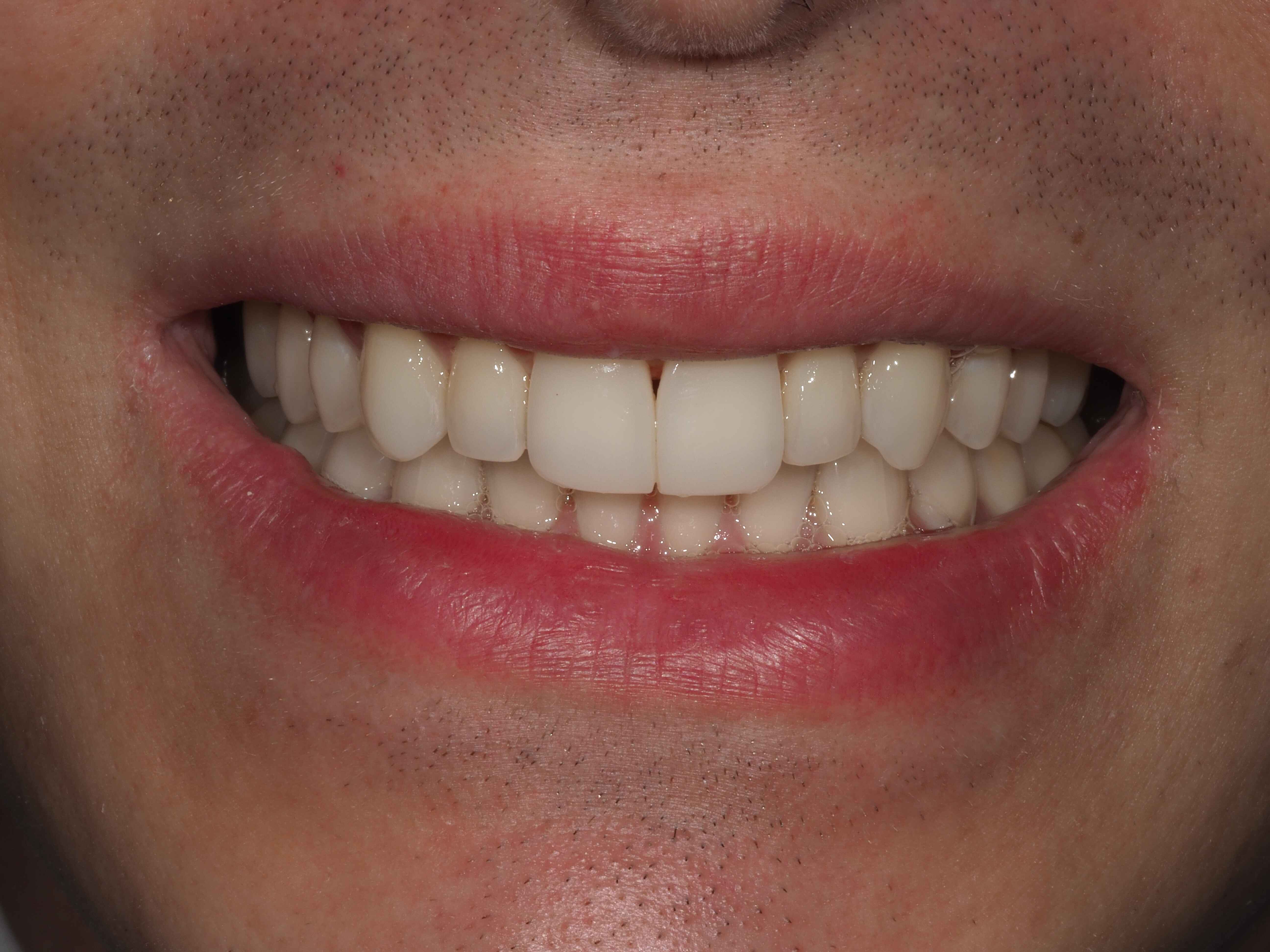
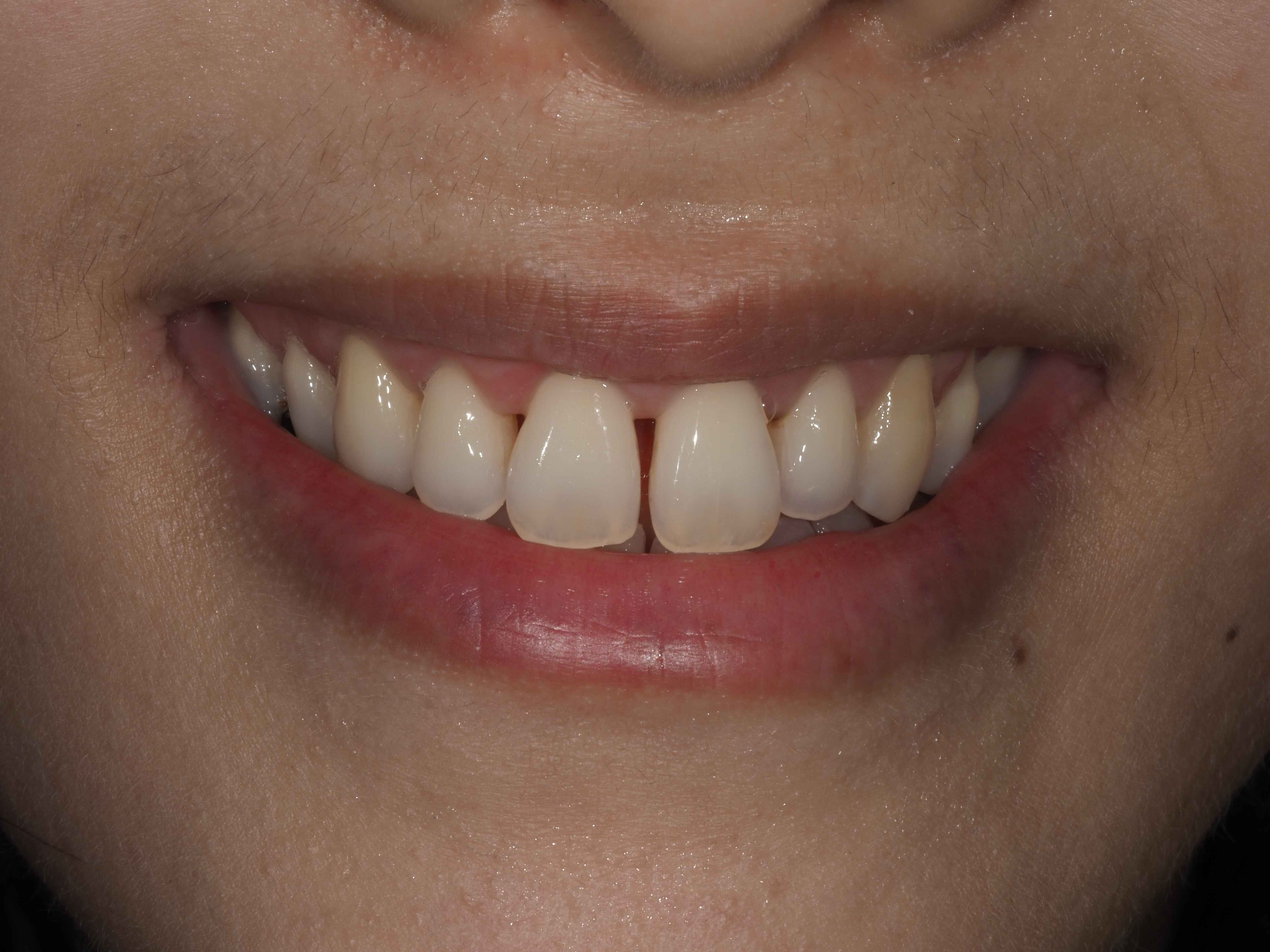
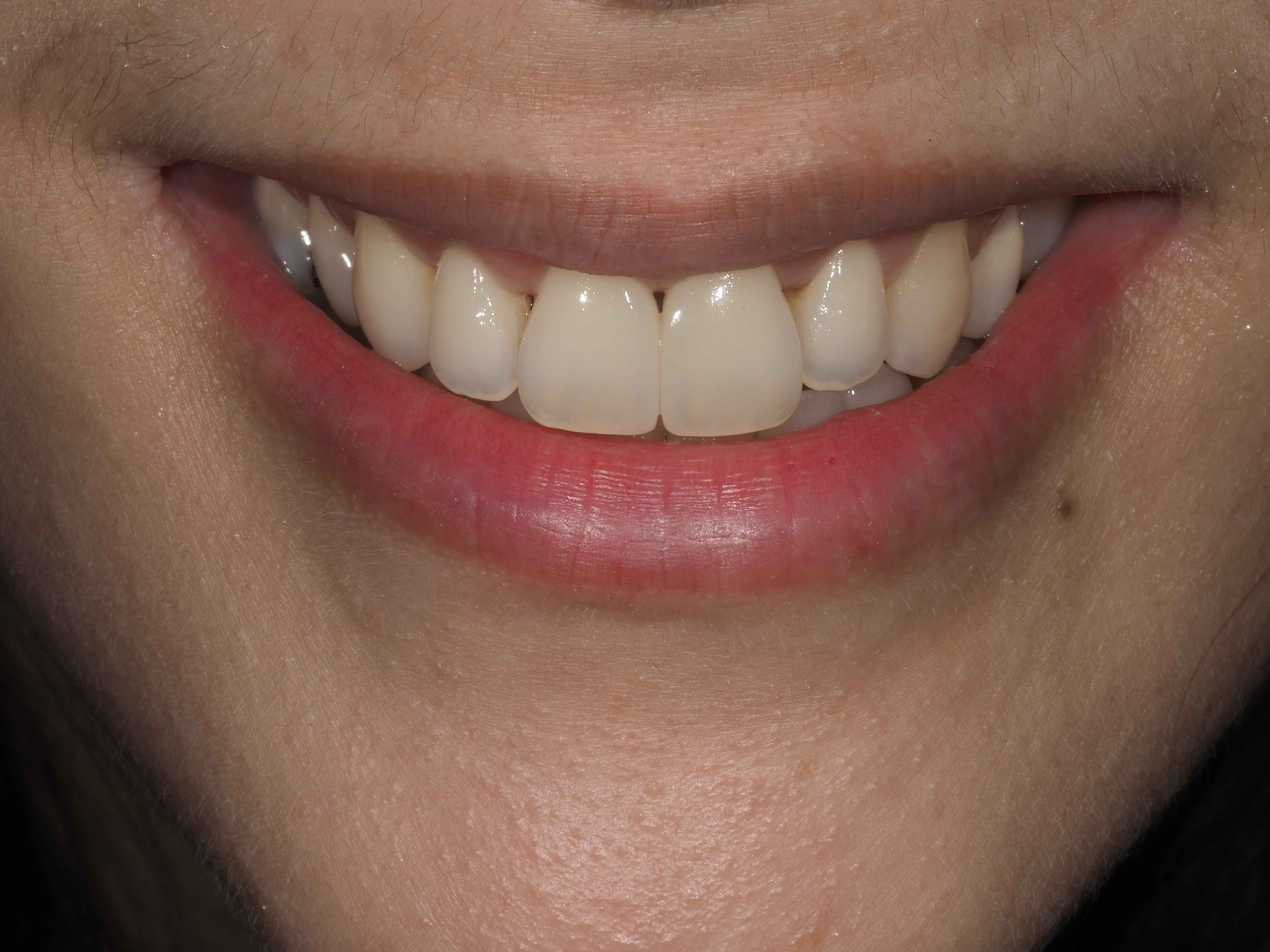
Black Triangle Closure frequently asked questions
Book your black triangle consultation in Shepherd's Bush
If black triangles are affecting your confidence in your smile, we would be happy to see you. Siha Dental is located at Shepherd's Bush, 157 Askew Road, London W12 9AU, and welcomes patients from White City, Hammersmith, Acton, Holland Park, and across West London.
Book online or call 020 4602 3510 to arrange your consultation with Dr Hannan Imran.