
Save your tooth and end the pain
Root canal treatment has an unfair reputation. With modern techniques & technology, our purpose is to preserve your natural teeth in the process whilst our experienced team are here to support you.

Get started on your journey to a perfect smile
Dentures from £104.16 per month
See our smile transformations
I recently embarked upon Invisalign treatment with Dr Hannan at Siha Dental. As a nervous patient, I was slightly apprehensive however Hannan and his lovely team have really put me at ease and I could not thank them enough. The team are so welcoming, kind and patient. The design of the clinic is incredible and it really has a calming feel. Look forward to my treatment and would highly recommend!
is this treatment right for you?
What is a root canal treatment?
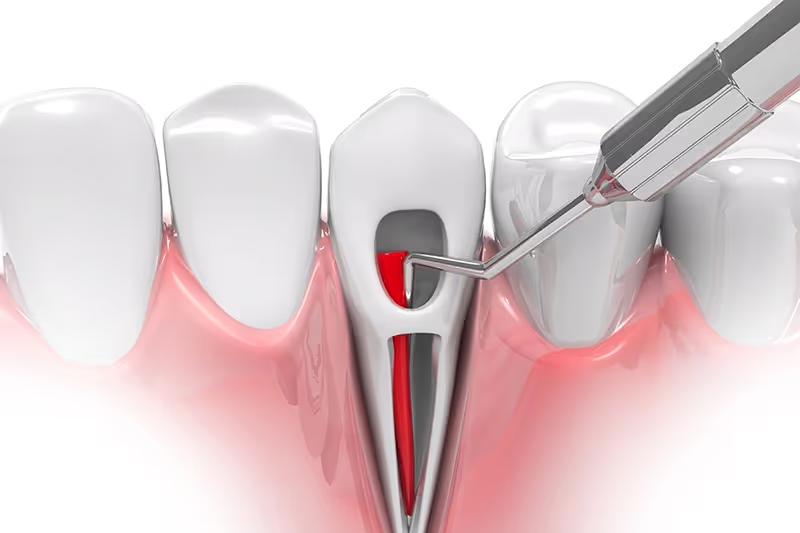
Root canal treatment — also known as endodontics — is used to save a tooth when the soft inner tissue (pulp) becomes infected. The pulp contains nerves, blood vessels, and lymphatic tissue that run through tiny channels from the centre of the tooth down to the tips of its roots.
When the pulp becomes infected — due to severe decay, a deep fracture, or an injury — bacteria can spread through the root canals and cause an abscess. If left untreated, this can lead to bone loss around the tooth and ultimately result in extraction.
Root canal treatment removes the infected tissue, cleans and shapes the canals, then fills and seals the tooth — allowing it to function normally for many years.
.avif.png)
Signs you may need root canal treatment
- Severe, persistent toothache — especially when biting
- Prolonged sensitivity to hot or cold that lingers after the source is removed
- Sudden, intense throbbing pain
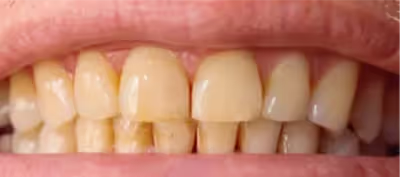
- Darkening or discolouration of the tooth
- Swelling or tenderness in the gum near the tooth
- A visible pimple or bump on the gum (can indicate an abscess)
- A deep fracture or injury to a tooth
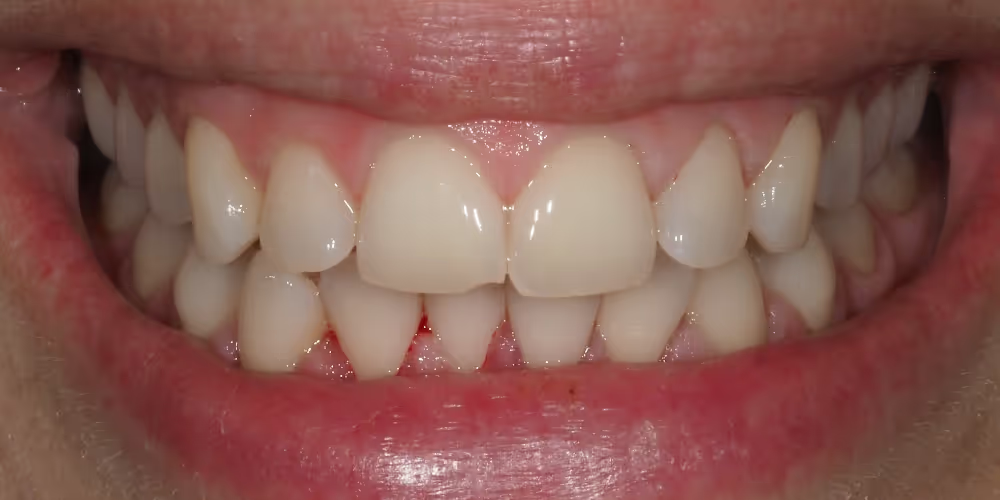
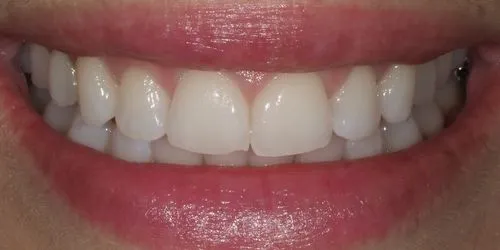
%20before.avif)
%20after.avif)
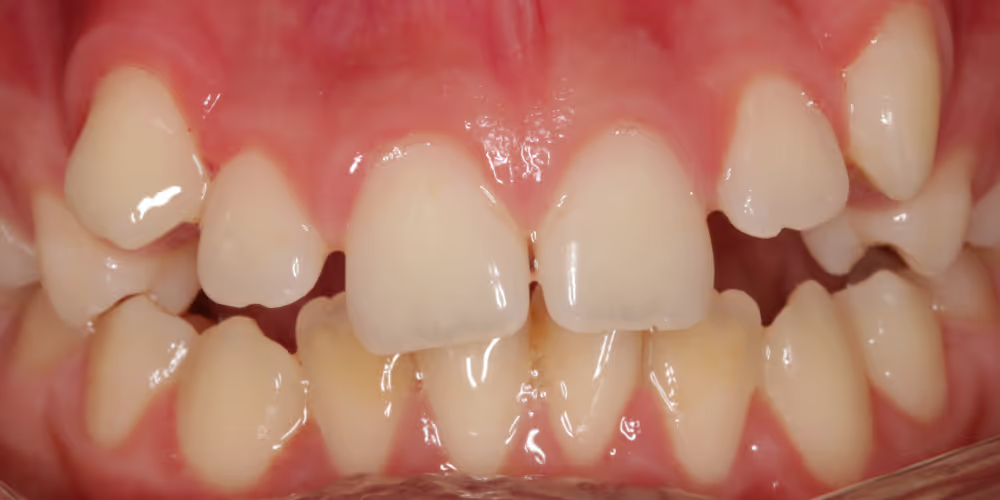
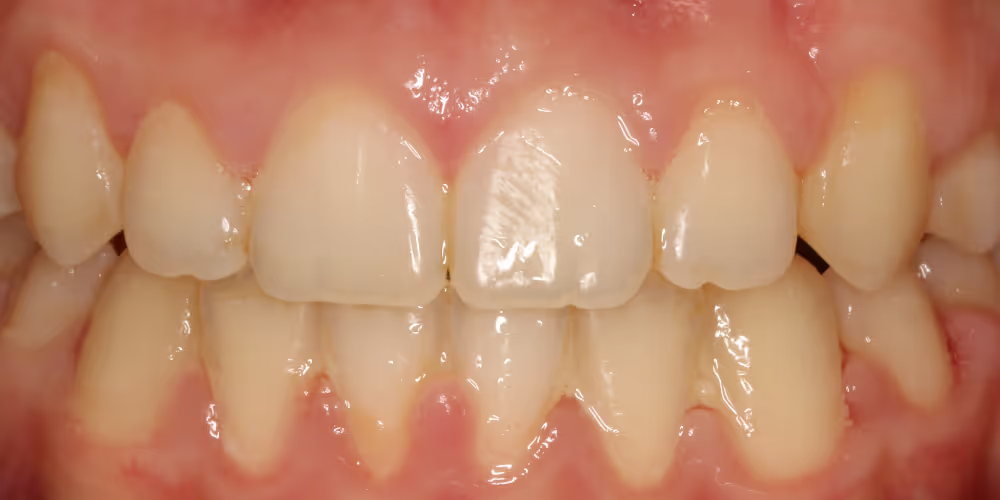
WORRIED ABOUT HAVING ROOT CANAL TREATMENT?
We understand. Root canal treatment has a reputation that's largely outdated — modern techniques and effective anaesthesia mean most patients feel little to nothing during the procedure.
At Siha Dental we have decades of combined experience treating nervous patients. Our practice is designed to feel different from a typical dental office — calm, welcoming, and unhurried. We take time to explain everything before we begin, and you're always in control.
Your treatment journey
Appointment 1 - treating the infection
.png)

Appointment 2 - sealing & restoring the tooth
How to maintain your results
.png)
Some mild tenderness or sensitivity for a few days after each appointment is normal and can be managed with over-the-counter pain relief. This is not a sign that something has gone wrong.
With good oral hygiene and regular check-ups, a root-canal-treated tooth can last 10 years or longer. It will look and function just like your natural teeth.
- Avoid hard or crunchy foods on that side until fully restored
- Brush and floss normally — the tooth still needs care
- Take any prescribed antibiotics for the full course
- Attend your follow-up appointment — don't skip it
- Contact us if pain worsens significantly or swelling develops